India has always shared a deep emotional connection with jewellery. From weddings and festivals to investments and daily fashion, jewellery is more than an accessory—it’s a symbol of tradition, culture, and personal identity. In 2026, however, the Indian jewellery industry is experiencing one of its biggest transformations.
Modern consumers are looking beyond traditional gold ornaments. They seek unique designs, sustainable materials, personalized shopping experiences, and trusted brands that deliver quality both online and offline. For jewellery businesses, this shift presents tremendous opportunities.
The Indian Jewellery Market in 2026
India remains one of the world’s largest jewellery markets, with the industry valued at approximately US$85 billion in early 2026 and projected to reach around US$130 billion by 2030. Growth is being fueled by rising incomes, urbanization, expanding organized retail, and increasing online shopping.
While higher gold prices have influenced buying patterns, consumer spending on jewellery remains strong, particularly for weddings, festive occasions, and investment purposes. Many buyers are choosing lighter-weight pieces or exchanging old gold for new jewellery.
Key Jewellery Trends in India (2026)
1. Everyday Luxury is Growing
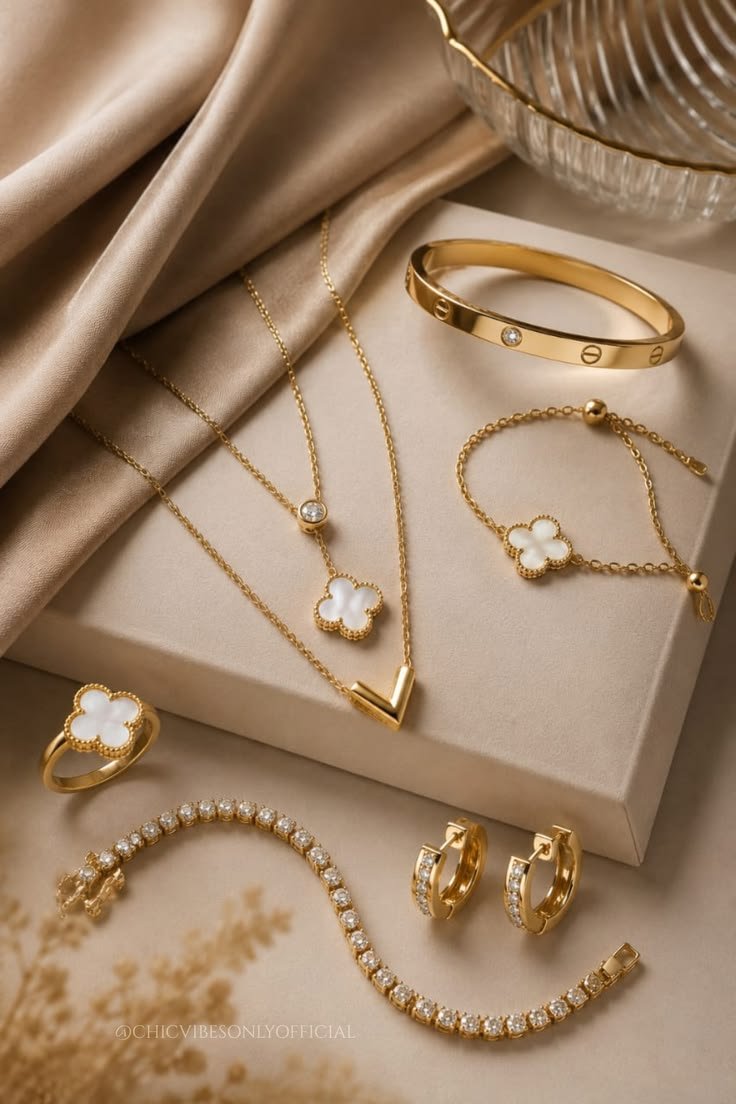
Consumers no longer purchase jewellery only for weddings. Lightweight necklaces, minimalist rings, stackable bracelets, and elegant earrings have become everyday fashion essentials.
Young professionals and Gen Z buyers prefer jewellery that complements both ethnic and western outfits.
2. Artificial Jewellery is Becoming Premium
Artificial jewellery has evolved significantly.
Today’s customers expect:
- Premium finishing
- Anti-tarnish coating
- Luxury packaging
- Waterproof collections
- Hypoallergenic materials
- Trendy yet timeless designs
This creates major opportunities for D2C brands offering affordable luxury.
3. Online Shopping Builds Trust
Indian consumers are increasingly comfortable purchasing jewellery online when brands provide:
- HD product photography
- Product videos
- Customer reviews
- Hallmark or quality certifications (where applicable)
- Easy returns
- Secure payment options
Digital channels continue to gain momentum alongside physical retail.
4. Personalization is Winning
Customers increasingly want jewellery that reflects their individuality.
Popular personalized options include:
- Name necklaces
- Initial pendants
- Birthstone jewellery
- Zodiac collections
- Couple jewellery
- Customized gifts
Personalization creates emotional value and encourages repeat purchases.
5. Sustainability Matters
Modern consumers increasingly appreciate brands that communicate:
- Ethical sourcing
- Responsible manufacturing
- Recyclable packaging
- Long-lasting quality
- Transparency in materials
While price remains important, trust and authenticity have become major purchasing factors.
Digital Marketing is Transforming Jewellery Sales
In 2026, social media influences purchasing decisions more than ever.
Successful jewellery brands invest in:
- Instagram Reels
- Pinterest inspiration boards
- Influencer collaborations
- User-generated content
- Email marketing
- WhatsApp Business
- AI-powered customer support
Rather than focusing only on product photos, leading brands tell stories that connect emotionally with customers.
Wedding Jewellery Still Dominates
Despite changing fashion trends, weddings remain the largest driver of jewellery demand in India.
Brides today often choose:
- Layered necklaces
- Statement earrings
- Temple jewellery
- Kundan and Polki designs
- Minimal reception jewellery
- Contemporary bridal collections
Families continue to view jewellery as both an emotional purchase and a long-term asset.
Challenges Facing the Industry
Although opportunities are significant, businesses also face challenges:
- Rising gold prices
- Intense online competition
- Counterfeit products
- Customer trust issues
- Higher digital advertising costs
- Fast-changing fashion trends
Brands that prioritize transparency, consistent quality, and customer service are better positioned for long-term success.
Opportunities for New Jewellery Brands
New brands can stand out by focusing on:
- Affordable luxury
- Premium artificial jewellery
- Silver jewellery
- Everyday wear collections
- Personalized jewellery
- Strong brand storytelling
- Sustainable packaging
- Excellent customer experience
Instead of competing solely on price, successful businesses differentiate themselves through design, quality, and brand identity.
The Future of Jewellery in India
India’s jewellery industry is entering a new era where heritage meets innovation. Traditional craftsmanship continues to inspire consumers, while technology, e-commerce, and changing lifestyles reshape how people discover and purchase jewellery. Luxury groups are also placing greater emphasis on jewellery as one of the strongest-performing segments in fashion.
The future belongs to brands that combine exceptional design with digital convenience, trust, and memorable customer experiences.
Whether it’s a handcrafted bridal necklace, a minimalist office accessory, or a premium artificial jewellery collection, Indian consumers are seeking products that reflect their personality and values.
Conclusion
The jewellery industry in India is evolving rapidly in 2026. Consumers expect more than beautiful products—they want authenticity, convenience, personalization, and value. Brands that embrace innovation while respecting India’s rich jewellery heritage will continue to thrive.
For entrepreneurs and established businesses alike, this is an exciting time to build meaningful connections with customers and create jewellery that celebrates both tradition and modern lifestyles.